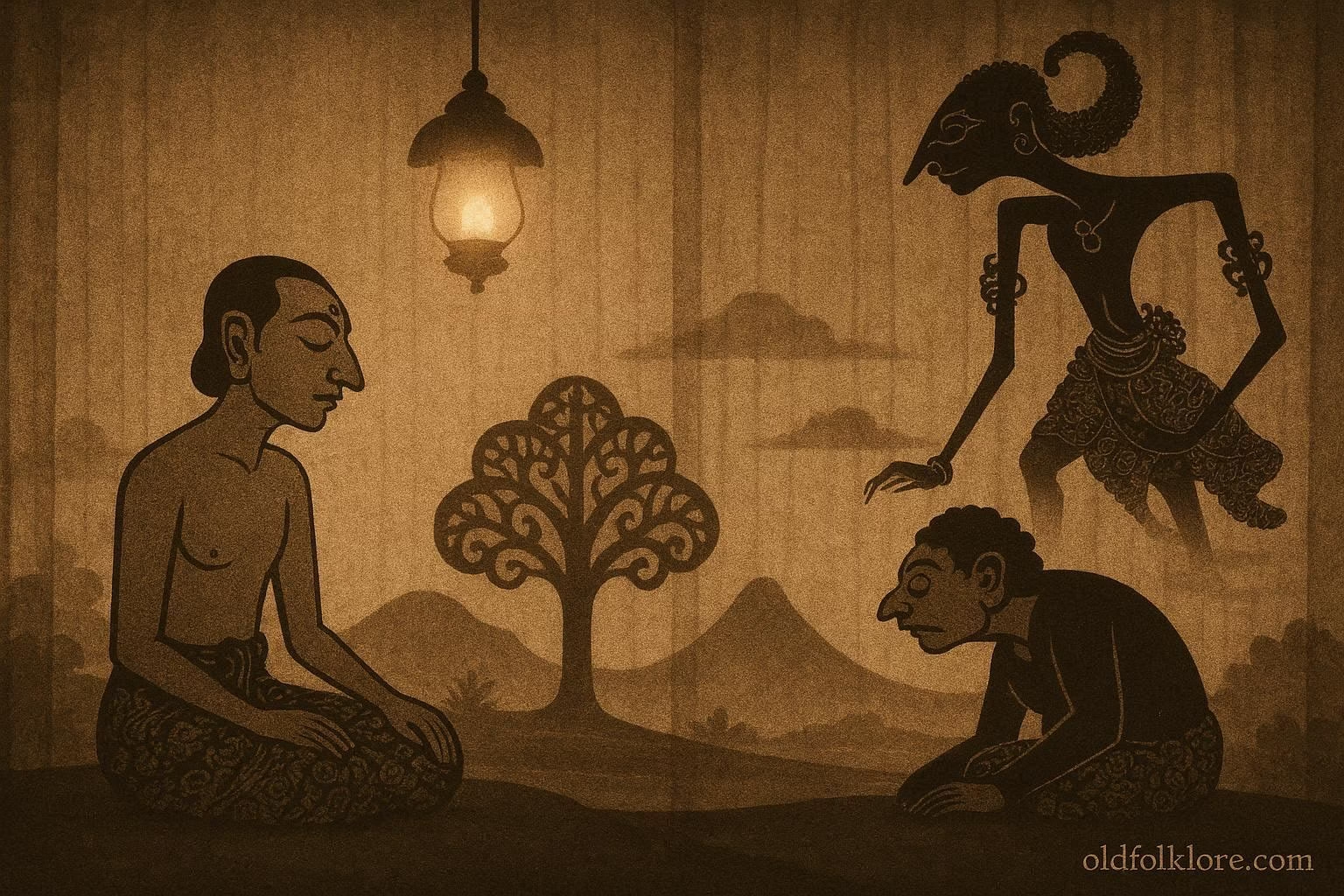
In the heart of Javanese culture, the greatest wisdom is not found in outward strength or social status, but in the unseen qualities that guide one’s inner life. Wayang kulit, the ancient shadow puppet theatre, teaches audiences that what appears on the screen is only the reflection of something deeper. Behind every puppet lies a puppeteer, and behind every action lies character. Javanese proverbs often express these truths, rooted in Hindu–Buddhist teachings about atma (the soul), dharma (duty and moral rightness), and the understanding that one’s true essence cannot be hidden forever.
Within village gatherings and royal courts alike, elders have long used proverbs inspired by wayang to remind listeners that a person’s shadow reveals more than their mask. The flicker of the lamp behind the screen symbolizes one’s inner truth, sometimes bright, sometimes dim, but always shaping the world outside. Because of this, Javanese wisdom places great emphasis on self-mastery, humility, sincerity, and inner calm. A balanced heart produces a balanced life; a troubled heart creates troubled actions.
Ultimately, character is believed to be destiny. Just as the dalang (puppet master) controls the movements of the puppets, the inner self controls the course of a person’s life. These proverbs continue to guide communities in cultivating integrity, patience, and moral clarity, virtues that shine even in the shadows.
Proverbs List
- 1: The puppet dances, but the shadow reveals the truth.
(Actions reflect inner character.) - 2: The lamp behind the screen shows every flaw.
(One’s weaknesses become visible over time.) - 3: A crooked puppet casts a crooked shadow.
(Bad intentions show in behavior.) - 4: The dalang controls the puppet, as the heart controls the self.
(Inner values guide outward actions.) - 5: When the lamp grows dim, shadows grow confused.
(Lack of clarity leads to poor decisions.) - 6: A wise puppet moves with calm hands behind it.
(A calm mind leads to controlled actions.) - 7: The screen hides shape but not essence.
(Appearances conceal little about true nature.) - 8: A loud puppet does not mean a strong puppeteer.
(Boastfulness does not equal capability.) - 9: The shadow stretches when the lamp is close.
(Pride magnifies faults.) - 10: The puppet without a story is easily broken.
(Purpose gives strength.) - 11: A steady dalang makes steady shadows.
(Inner discipline creates consistency.) - 12: The string that guides can also entangle.
(Strengths can become weaknesses.) - 13: When the screen tears, the truth comes through.
(Secrets eventually surface.) - 14: The puppet that bends does not break.
(Humility protects from downfall.) - 15: A thin shadow can hide a heavy heart.
(Pain is not always visible outwardly.) - 16: The puppet’s face is carved, but its nature is chosen.
(Circumstances shape us, but choices define us.) - 17: Shadows move quickly, but character moves slowly.
(Reputation changes faster than true nature.) - 18: The dalang who rushes confuses the story.
(Hastiness leads to disorder.) - 19: The puppet that listens lasts longer.
(Wisdom comes from attentiveness.) - 20: A shadow cannot rise higher than its puppeteer.
(One cannot exceed the strength of their inner character.) - 21: A sharp lamp reveals even the smallest flaw.
(Honesty exposes all details.) - 22: The puppet that fears its shadow cannot perform.
(Self-doubt hinders potential.) - 23: The screen holds both heroes and villains.
(All people contain both good and bad.) - 24: The dalang shapes the story, but the story shapes the dalang.
(Life forms us as we influence it.) - 25: The puppet without balance falls from the stick.
(Self-control is essential.) - 26: The shadow of pride grows taller as the light of wisdom fades.
(The less wisdom, the more arrogance.) - 27: The puppet that moves with grace honors its maker.
(Good actions honor one’s upbringing.) - 28: A torn puppet still casts a shadow.
(Even the wounded influence others.) - 29: The lamp burns brightest when the oil is pure.
(Integrity fuels clarity.) - 30: The puppet follows the string; the string follows intention.
(Intention directs behavior.) - 31: When the dalang’s fingers tremble, the whole story shakes.
(Leaders’ emotions affect everyone.) - 32: A puppet painted gold may still break like clay.
(Appearance does not guarantee strength.) - 33: The shadow lies long at sunset.
(Age reveals one’s true legacy.) - 34: A quiet puppet can speak the loudest truth.
(Wisdom is often subtle.) - 35: The puppet that forgets its role disrupts the story.
(Lack of self-awareness creates chaos.) - 36: A dim lamp creates monsters from ordinary shapes.
(Fear distorts reality.) - 37: The shadow follows wherever the puppet goes.
(Consequences follow actions.) - 38: A gentle dalang can calm a restless audience.
(Kindness has powerful influence.) - 39: The puppet that mocks its puppeteer loses its place.
(Disrespect undermines order.) - 40: A shadow that trembles reveals fear.
(Anxious behavior reveals inner insecurity.) - 41: The puppet’s joints matter more than its paint.
(Character matters more than appearance.) - 42: The dalang sees both sides of the screen.
(The wise understand both inner and outer realities.) - 43: The unseen hand shapes the seen world.
(Inner thoughts shape outward life.) - 44: A puppet with tangled strings cannot dance.
(Complications block progress.) - 45: The shadow does not lie even when the puppet tries.
(True nature shows despite pretending.) - 46: A strong light shortens the shadow of deceit.
(Clarity exposes lies.) - 47: The dalang who listens to the audience controls the story.
(Awareness of others strengthens leadership.) - 48: The puppet carved with care moves with honor.
(Good upbringing yields good behavior.) - 49: A broken string teaches gentleness.
(Mistakes teach humility.) - 50: The shadow grows clear when the heart grows calm.
(Inner peace improves perception.) - 51: A puppet raised high shows its flaws.
(Power exposes character.) - 52: The story ends, but the lesson remains.
(Experiences leave lasting wisdom.) - 53: The puppet obeys the hand that holds it.
(Actions follow inner convictions.) - 54: The dalang who masters himself masters the stage.
(Self-control brings influence.) - 55: A puppet with many colors still casts one shadow.
(Many roles reflect one true self.) - 56: When the lamp flickers, truth wavers.
(Instability breeds confusion.) - 57: The puppet that bows returns safely to its box.
(Humility prevents harm.) - 58: The shadow behind the hero may hide the villain.
(People contain contradictions.) - 59: Even the smallest puppet can cast a large shadow.
(Small actions have large impact.) - 60: The puppet that faces the light knows its path.
(Facing truth brings clarity.) - 61: The dalang’s patience keeps the story alive.
(Patience sustains success.) - 62: The puppet stiff with pride cannot bend in wisdom.
(Pride prevents learning.) - 63: A shadow cannot be cut, but character can be shaped.
(Inner growth is possible.) - 64: The puppet that listens to the drum keeps its rhythm.
(Awareness keeps one aligned.) - 65: A story without struggle draws no applause.
(Growth requires challenge.) - 66: The dalang’s silence speaks louder than the puppet’s words.
(Wisdom is often quiet.) - 67: The puppet with clear intention moves smoothly.
(Focus brings success.) - 68: The shadow trembles when the heart is unsure.
(Indecision shows.) - 69: The puppet that stands tall casts a clean shadow.
(Integrity creates clarity.) - 70: The story’s villain teaches the hero’s virtue.
(Opposition clarifies morality.) - 71: The lamp reveals what the mask hides.
(Inner truth emerges.) - 72: A calm dalang corrects crooked shadows.
(Calm guidance fixes mistakes.) - 73: The puppet that fears the audience loses its voice.
(Fear suppresses authenticity.) - 74: A wise puppet follows the flow of the tale.
(Wisdom adapts.) - 75: The shadow behind the puppet whispers the heart’s truth.
(Inner nature always reveals itself.) - 76: A puppet carved with anger carries that anger.
(Negative origins shape behavior.) - 77: A steady lamp makes brave shadows.
(Confidence produces clarity.) - 78: The puppet that returns to its box unbroken has learned restraint.
(Self-control brings safety.) - 79: A tangled shadow warns of a tangled mind.
(Confusion shows through actions.) - 80: The dalang who honors the story is honored by the audience.
(Integrity earns respect.) - 81: The puppet that mocks others mocks itself.
(Cruelty harms the cruel.) - 82: The puppet with a clean heart casts a clean shadow.
(Purity shows in behavior.) - 83: A shadow without motion teaches patience.
(Stillness teaches wisdom.) - 84: The puppet that learns from its cracks becomes strong.
(Scars bring wisdom.) - 85: The lid closes softly on the humble puppet.
(Gentleness protects.) - 86: A shadow speaks truth when the tongue does not.
(Actions reveal more than words.) - 87: The dalang walks behind the curtain but leads the stage.
(True leadership often works unseen.) - 88: The puppet that faces darkness must carry its own light.
(Self-guidance is necessary in hard times.) - 89: The one who controls the lamp controls the drama.
(Perspective shapes interpretation.) - 90: A puppet with many strings learns many lessons.
(Responsibility teaches maturity.) - 91: The shadow that grows smaller teaches humility.
(Perspective reduces ego.) - 92: A wise puppet speaks after the drumbeat fades.
(Wisdom waits its turn.) - 93: A puppet without gratitude loses its color.
(Ingratitude drains character.) - 94: The dalang who masters timing masters the tale.
(Timing is key to wisdom.) - 95: The puppet that trembles before the light must strengthen its heart.
(Face truth to grow.) - 96: A story’s opening shadow reveals its ending.
(Beginnings foreshadow outcomes.) - 97: A puppet’s shadow may wander, but its string does not.
(One’s core remains despite mistakes.) - 98: The shadow teaches what the puppet forgets.
(Consequences remind us of lessons.) - 99: A bright lamp turns even small puppets into giants.
(Right guidance magnifies potential.) - 100: The puppet returns to its box, but the lesson stays in the heart.
(Wisdom outlives experience.)
Author’s Note
Wayang teaches us that human life is shaped not by the masks we wear but by the forces within us, our intentions, our discipline, and our moral clarity. Like the dalang guiding the puppets from behind the screen, our inner self directs every choice we make. These proverbs invite us to polish what is unseen, strengthen what is quiet, and nurture the light that shapes our shadow.
Knowledge Check
- Q: What does the dalang symbolize in many of these proverbs?
A: The inner self or guiding conscience. - Q: Why are shadows important in Javanese wisdom?
A: They reveal the truth behind outward appearance. - Q: What does a “dim lamp” represent metaphorically?
A: Confusion, lack of clarity, or weak moral direction. - Q: Why is humility valued in wayang-inspired proverbs?
A: It prevents downfall and keeps character balanced. - Q: What is the main theme connecting all these sayings?
A: Character and the inner self shape destiny. - Q: How does the puppet symbolize human behavior?
A: It reflects how our actions are guided by our inner intentions.