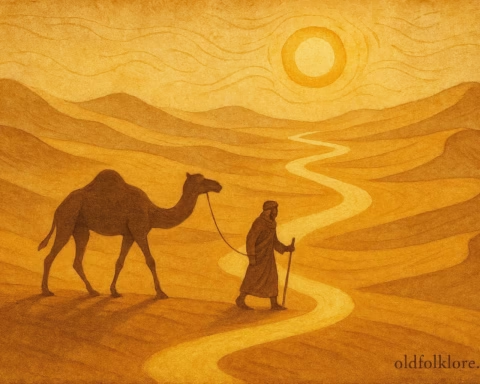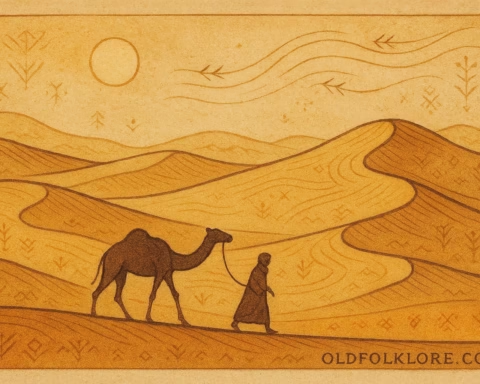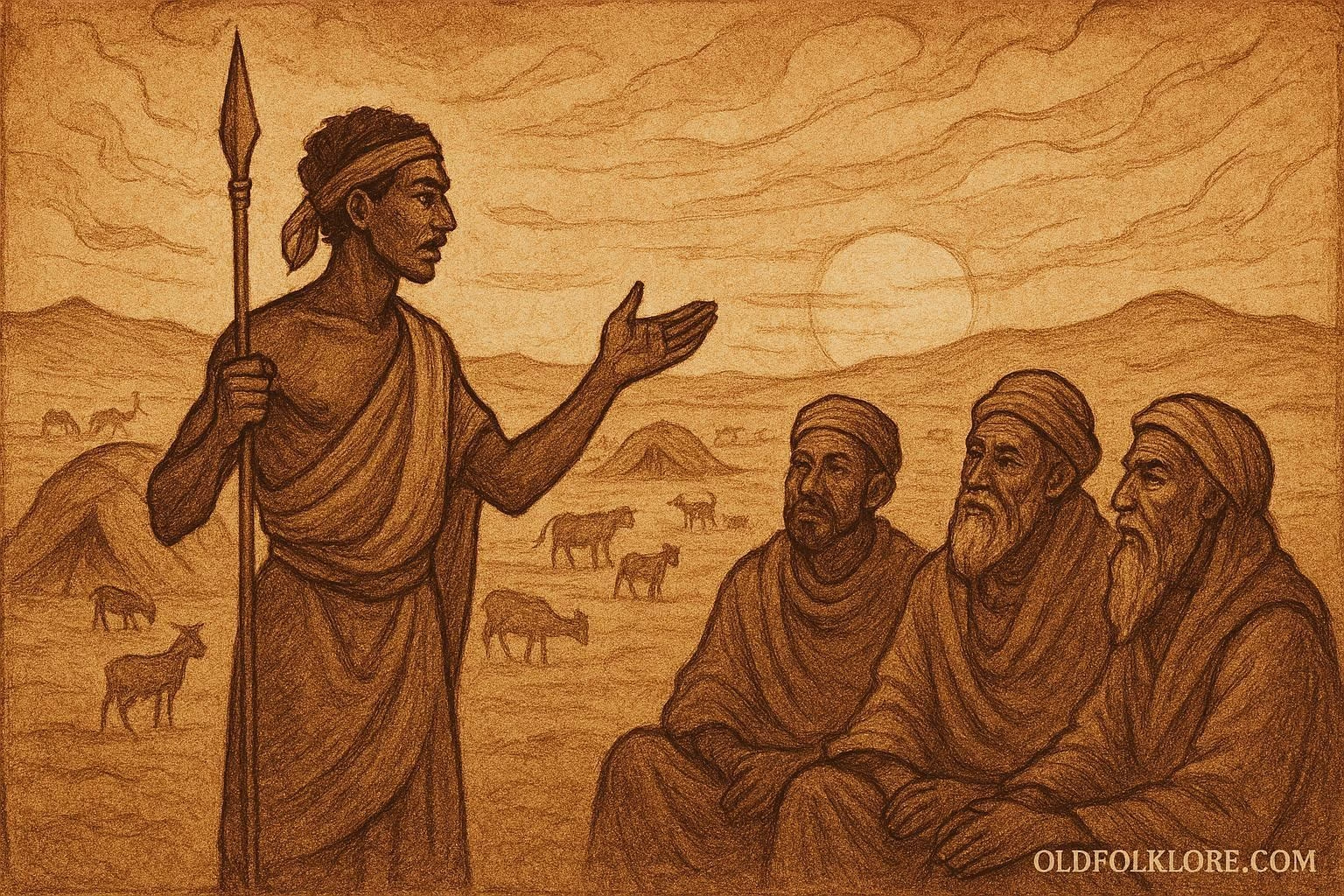
In Somali culture, the spear is a symbol of power, protection, and survival, while the word embodies wisdom, counsel, and reconciliation. Their proverbs often reinforce this idea, for centuries, nomadic clans have relied not only on physical strength to defend their herds and communities but also on dialogue and mediation to maintain peace. Somali elders, through their councils and gabay poetry, have long taught that true strength is measured as much by one’s ability to resolve conflict with words as by one’s skill in combat.
Wisdom in conflict is central to Somali social life. Disputes over grazing lands, water sources, or family honor are common, yet they are tempered by traditions of negotiation, mediation, and reconciliation. Proverbs capture these lessons succinctly, showing that the mind often achieves what the spear alone cannot. They teach that patience, foresight, and eloquence are weapons of their own, capable of preventing bloodshed and restoring harmony.
These sayings are not merely theoretical; they are guides for daily life. The Somali worldview recognizes the delicate balance between assertiveness and diplomacy, between defending oneself and seeking understanding. Each proverb carries layers of meaning, offering insight into leadership, justice, humility, and the enduring human need for peace.
Proverbs & Meanings
- “Fardow waa ka fiican tahay, hadalku waa ka xoog badan yahay.”
Meaning: A horse may run fast, but words travel further; wisdom outweighs speed. - “Sareeya waa dabayl, hooseeya waa hadal.”
Meaning: Force is visible; counsel is subtle but lasting. - “Nin hub leh mar wuu dagaalamaa, nin xikmad leh mar wuu nabad galiya.”
Meaning: The armed man fights once; the wise man prevents many wars. - “Spear-ka la tuuro wuu dhaafo, hadalku wuu gaadhaa.”
Meaning: A thrown spear may miss, but a word reaches its mark. - “Nin xoog leh, haddana xigmad leh, waa geesi dhabta ah.”
Meaning: True heroism combines strength and wisdom. - “Kolka la dagaallamo, nolosha ayaa laga luminayaa; marka la taliyo, midnimo ayaa la helaa.”
Meaning: Fighting destroys lives; counsel creates unity. - “Xoogga dabbaal ma galo, hadalku wuu noqdaa dayax.”
Meaning: Force fades; a good word shines like the moon. - “Gabayga ayaa geed ka roga, hubku wuxuu ka dhigayaa cir.”
Meaning: Poetry can turn a tree (symbolic problem); the spear only clears the sky (superficial). - “Nin dagaal galo wuxuu lumaa, nin hadal furo wuu badbaadaa.”
Meaning: One who fights loses; one who speaks wisely survives. - “Spear-ka waxaa loo adeegsadaa difaac, hadalkuna waa difaac ka badan.”
Meaning: Physical defense has limits; wise speech defends endlessly. - “Hadalka wanaagsan wuxuu dejin karaa qalbi gubanaya.”
Meaning: Good counsel can calm an angry heart. - “Nin hub la’aan, hadal ayuu u adeegsadaa; nin hadal la’aan, hub ayuu u adeegsadaa.”
Meaning: The resourceful balance of words and weapons. - “Xigmad la’aan, geesinimo waa geeri.”
Meaning: Bravery without wisdom leads to death. - “Spear-ka ayaa xoogga muujinaya, hadalku waa xukun muujinaya.”
Meaning: Weapons show strength; words show judgment. - “Kolka laba nin isku khilaafaan, nabaddu waxay timaadaa marka hadal la isticmaalo.”
Meaning: Conflict ends through dialogue, not fists. - “Xikmaddu waa gaashaanka ugu weyn ee nin leeyahay.”
Meaning: Wisdom is the greatest armor a person can wear. - “Nin hadalkiisa ilaaliya, dagaal ma galo.”
Meaning: One who guards his speech avoids battle. - “Hubka ayaa kaa celin kara cadow, hadalku wuxuu kaa celin karaa muran.”
Meaning: Weapons repel enemies; words prevent quarrels. - “Nin dhagarta ku tiirsan ma badbaado, kan xikmad ku tiirsan wuu guuleystaa.”
Meaning: Reliance on force fails; reliance on wisdom succeeds. - “Marka aad hadasho, feker ka hor; marka aad dagaallanto, xasuuso.”
Meaning: Think before you speak; remember consequences before fighting. - “Gabaygu wuxuu xaliyaa muran, hubku wuxuu keenayaa muran.”
Meaning: Poetry and counsel resolve disputes; weapons create them. - “Nin geesi ah ma aha kan hubka hayo, waa kan quluubta xakameeya.”
Meaning: True courage controls the heart, not just the spear. - “Hadalka ayaa ka culus birta.”
Meaning: Words carry more weight than metal. - “Xooggu waa gaaban yahay, xikmaddu waa dheer tahay.”
Meaning: Force is short-lived; wisdom is lasting. - “Dagaalka degdeg ah waa dhib, taladu waa barako.”
Meaning: Quick fights cause harm; counsel brings blessing. - “Nin hub leh, laakin aan xikmad lahayn, wuxuu lumaa.”
Meaning: The strong but unwise perish. - “Hadalku wuxuu daawo u yahay qalbiyada dhaawacan.”
Meaning: Wise words heal wounded hearts. - “Nin hadal wanaagsan ku maqan, geesinimadiisu way joogtaa.”
Meaning: A person who speaks wisely maintains strength. - “Spear-ka ayaa kaliya jebiya, hadalku wuxuu dhistaa.”
Meaning: Weapons break; words build. - “Kolka adkaysi la’aan iyo hadal la’aan ay jirto, dagaal waa lama huraan.”
Meaning: Without patience and speech, conflict is inevitable. - “Nabadda waa guul ka weyn dagaalka.”
Meaning: Peace is a greater victory than war. - “Qof xigmad leh ayaa badbaadiya bulsho.”
Meaning: The wise protect the community. - “Hubka wuxuu kaa ilaalinayaa jirka; hadalku wuxuu ilaalinayaa sharafka.”
Meaning: Weapons defend the body; words defend honor. - “Xikmad iyo dulqaad ayaa muran ka dhigta taariikh.”
Meaning: Wisdom and patience transform conflict into history. - “Geesinimo waa in la hadlo, maaha in la tuuro hub.”
Meaning: True bravery is speaking, not throwing spears. - “Nin xoog leh laakiin hadal liita, waa halis u ah naftiisa.”
Meaning: Strength without words is dangerous to oneself. - “Hadal wanaagsan ayaa ka horreeya xukunka hubka.”
Meaning: Speech precedes the judgment of force. - “Spear-ka waa qalad halis ah, hadalku waa saaxiib dhisan.”
Meaning: Weapons are risky mistakes; words are constructive allies. - “Muranku wuu baaba’a marka xigmad la adeegsado.”
Meaning: Conflict disappears when wisdom is applied. - “Nin hub leh, laakin quluubta dagan, wuxuu badbaadiyaa.”
Meaning: Strength with calm hearts ensures survival. - “Hadalku wuxuu ka dhigayaa cadow saaxiib.”
Meaning: Words can turn enemies into friends. - “Xikmad iyo dulqaad, hub iyo dagaal kama hooseeyaan.”
Meaning: Wisdom and patience surpass weapons and battle. - “Nin hubkiisu waxba ma taro haddii uusan quluubtiisu joogin.”
Meaning: Weapons are useless without resolve. - “Hadalka wanaagsan wuu ka xoog badan yahay dhulka la istaago.”
Meaning: Good counsel is stronger than standing ground. - “Marka aad dagaal gasho, waa in aad ogtahay hadalkii lumay.”
Meaning: Engage in conflict only after words fail. - “Nin xikmad leh wuxuu ka adkaan karaa hubka iyo cadowga.”
Meaning: The wise can overcome weapons and enemies. - “Hubka wuxuu burburiyaa; hadalku wuxuu dhaxlaa.”
Meaning: Weapons destroy; words leave a legacy. - “Spear-ka wuxuu dhisaa cabsi, hadalku wuxuu dhisaa ixtiraam.”
Meaning: Weapons inspire fear; words inspire respect. - “Nin xigmad leh, dagaal ma galo haddii aan loo baahnayn.”
Meaning: The wise fight only when necessary. - “Hadalka ayaa ka horreeya ficilka.”
Meaning: Words should precede action. - “Nin xoog leh, laakin aan xigmad lahayn, waa sida guri dhagax ah oo aan aasaas lahayn.”
Meaning: Strength without wisdom is a house without a foundation. - “Spear-ka waa muuqaal, hadalku waa qalbi.”
Meaning: Weapons are visible; words reach the heart. - “Marka dagaal la galo, hadal wuu ka horeeyaa hubka.”
Meaning: Speech should precede combat. - “Xigmaddu waxay ka dhaxaysaa jiilasha.”
Meaning: Wisdom is inherited across generations. - “Nin geesi ah waa kan hadal fiican ka hor hubka.”
Meaning: True courage speaks before it fights. - “Hadalka saxda ah ayaa ka jaban dhulka la burburiyo.”
Meaning: Right words prevent unnecessary destruction. - “Dagaal aan talo lahayn waa khasaaro.”
Meaning: War without counsel is loss. - “Nin hub leh, laakiin aan xikmad lahayn, wuxuu lumaa saaxiibkiis.”
Meaning: Strength without wisdom loses allies. - “Hadal iyo dulqaad ayaa ka adkaanaya hub iyo xoog.”
Meaning: Words and patience surpass weapons and force. - “Xikmaddu waa fure nabadeed.”
Meaning: Wisdom is the key to peace. - “Nin quluubtiisu dagan tahay, hub ma baahi karo.”
Meaning: A calm heart needs no weapons. - “Spear-ka waa halis, hadalku waa barako.”
Meaning: Weapons bring danger; speech brings blessing. - “Nin hub leh, laakin hadal wanaagsan ma hayo, wuxuu khasaaraa.”
Meaning: Strength without words leads to loss. - “Hadalka wanaagsan wuxuu ka fogeeyaa muran.”
Meaning: Wise words prevent conflict. - “Xigmad iyo dulqaad ayaa geesinimo ka weyn.”
Meaning: Patience and wisdom exceed courage. - “Nin hubkiisu leeyahay, laakiin quluubtiisu dagan tahay, waa geesi dhabta ah.”
Meaning: True heroism balances strength with calm. - “Hadalka wanaagsan ayaa ka horreeya guusha.”
Meaning: Success follows wise speech. - “Marka la isku murmo, hadal ayaa fure u ah.”
Meaning: Words unlock reconciliation. - “Nin xoog leh laakiin aan talo lahayn, wuxuu keenaa burbur.”
Meaning: Strength without counsel brings destruction. - “Hub iyo hadal, quluubta iyo qumman, waa geesinimo.”
Meaning: Courage combines weapons, words, and integrity.
Author’s Note
These Somali proverbs reveal a timeless truth: peace and counsel are as powerful as the strongest spear. While physical strength may protect, it is wisdom, patience, and speech that sustain communities and resolve conflicts. In a world often drawn to force, the Somali voice reminds us that the word, spoken with insight, can outlast and outmatch any weapon.
Knowledge Check
- Q: What two symbols are contrasted in Somali conflict wisdom?
A: The spear (strength) and the word (wisdom). - Q: Why is counsel valued over physical force?
A: Because it prevents unnecessary conflict and preserves life. - Q: How do proverbs describe true heroism?
A: As a combination of strength, patience, and wisdom. - Q: What role does poetry (gabay) play in conflict resolution?
A: It communicates wisdom, mediates disputes, and preserves cultural values. - Q: What is the key to lasting peace, according to these sayings?
A: Patience, wise speech, and careful counsel. - Q: How can weapons and words be used together effectively?
A: Weapons defend the body, while words defend relationships, honor, and community.