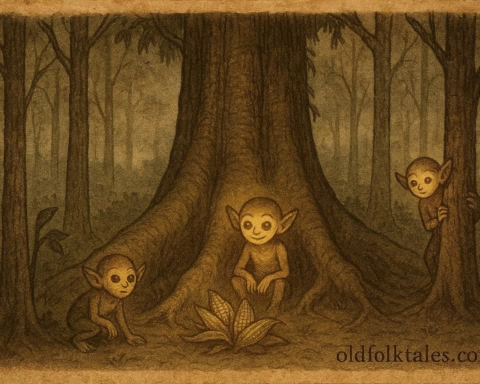
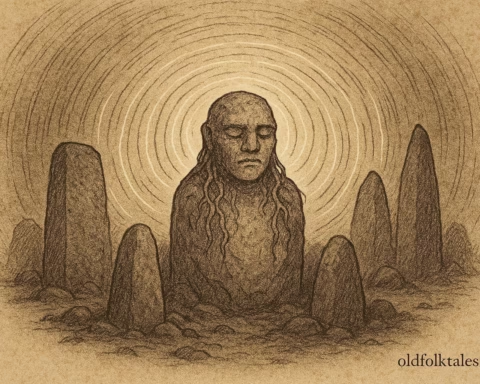
Deep within the dense forests of Malekula, the villagers of the northern atolls spoke often of the Tree Root Wanderer. It was said that this spirit lived beneath the earth, moving silently through the thick roots of banyan, ironwood, and breadfruit trees. It watched over the village from below, listening to the rhythm of daily life, sensitive to the tensions, quarrels, and lapses in traditional customs.
When the villagers lived in harmony, sharing food, respecting elders, and tending the land carefully the ground remained calm. The roots beneath their homes murmured softly, a comforting vibration that seemed to echo through floors and walls. But when anger arose, disputes went unresolved, or sacred customs were forgotten, the Tree Root Wanderer stirred. Low rumblings moved through the earth, shaking stones in the hearth and rattling clay pots. The sound was neither malevolent nor random; it was the spirit’s way of drawing attention to the imbalance, urging the community to restore unity.
One particular season, the village of Vunapope experienced a series of disputes. Two families argued over fishing rights along a river, and others neglected the ritual offerings to the forest ancestors. The elders’ warnings were ignored, and the village children grew restless. One evening, a low thrum began beneath the earth, growing louder with each passing hour. Windows rattled. The floorboards trembled. Pots in kitchens shook. Even the chickens stopped their clucking and peered nervously at the ground.
Discover the gods, goddesses, and divine spirits who ruled the heavens and shaped human fate
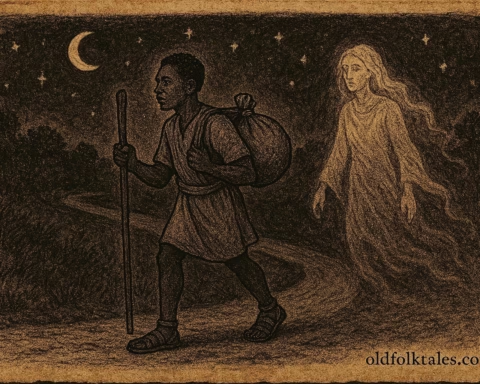
A young woman named Litia, known for her curiosity and sensitivity to the forest, recognized the signs immediately. Her grandmother had spoken of the spirit often, describing the gentle but firm guidance it offered. “The roots feel the heart of the village,” her grandmother had said. “When we quarrel or stray from the old ways, the Tree Root Wanderer will remind us to listen and to reconcile.”
Litia gathered her friends and began moving through the village, speaking quietly to those who had quarreled. She reminded them of their shared history, the importance of elders, and the sacred customs that had kept the community strong for generations. Slowly, the neighbors began to apologize, repairing relationships that had frayed. They cleaned the ritual altars and returned offerings to the forest, singing soft songs of reconciliation under the moonlight.
As the villagers made amends, the low rumbling beneath their homes began to fade. The pots and boards settled, and the trees above seemed to sway more gently, as though in approval. Litia smiled as she felt a vibration beneath her feet, soft and reassuring. The Tree Root Wanderer had accepted their efforts, and harmony returned.
In the weeks that followed, the village continued to honor the spirit through small acts. Children were taught to leave seeds by the roots of the trees, elders told stories of the spirit, and daily routines included quiet moments of reflection on unity and respect. The Tree Root Wanderer became not a source of fear, but a symbol of guidance. Families who ignored its lessons risked unsettling tremors in the night, while those who embraced its presence felt a steady calm, a reminder of balance beneath their feet.
The story of the Tree Root Wanderer was passed from generation to generation. Visitors to Malekula were told to listen to the forests and watch for the subtle signs of the spirit, for it was said that it could hear even the quietest whispers of discord. If one ignored its warnings, the spirit would not punish with fire or flood, but the unease in the earth itself would press on the conscience, compelling attention to the needs of the community.
Even today, when small tremors shake the village at night, the elders say it is the Tree Root Wanderer reminding everyone that the land, the people, and their customs are connected. Those who live in awareness of the spirit’s presence are guided toward peace, while those who forget are gently reminded that harmony requires care and humility.
Explore the shadows of world mythology, where demons test the soul and spirits watch over mankind
Author’s Note
The Tree Root Wanderer embodies Ni Vanuatu teachings about the interconnectedness of community, land, and ancestors. It emphasizes that disputes and neglect have consequences beyond individual concerns. The spirit encourages reflection, reconciliation, and respect for shared traditions, showing that stability and peace grow from unity and attentive care for the environment.
Knowledge Check
-
Who is the Tree Root Wanderer?
A forest spirit moving through tree roots that listens for harmony in the village. -
What does the spirit do when villagers quarrel or abandon customs?
It causes deep rumbling sounds beneath their homes to signal imbalance. -
How did Litia help restore balance in the village?
She reminded families to reconcile, repaired ritual offerings, and encouraged respect for elders. -
What happened to the rumbling when harmony was restored?
It faded, leaving the village calm and reassuring. -
Why do villagers leave seeds by the roots of trees?
To honor the Tree Root Wanderer and maintain unity with nature. -
What is the central lesson of this folktale?
Harmony requires respect, reconciliation, and attention to community and ancestral customs.