
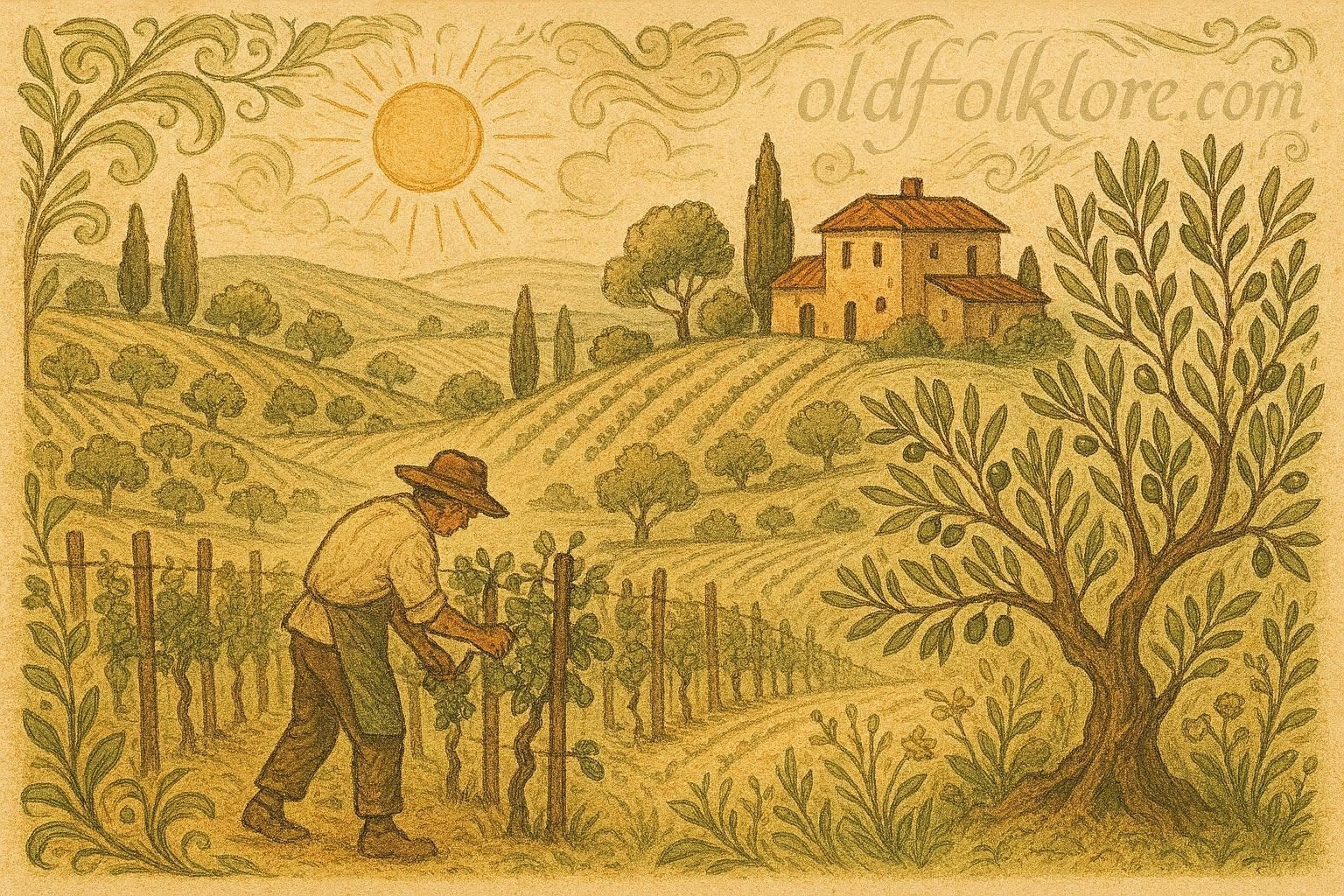
In the sun-drenched hills and valleys of Tuscany, Italy, life has always followed the seasons. Farmers, vintners, and olive growers learned long ago that patience, care, and steady effort produce the richest harvests. The wisdom of these communities is reflected in proverbs that have been handed down through generations. These sayings capture the rhythms of rural life: the slow turning of the seasons, the delicate balance between work and rest, and the understanding that time and effort cannot be rushed.
Italian rural culture places great value on observation, endurance, and timing. A vine will not bear fruit if forced too early, and olives cannot be harvested before they are ripe. In this way, the countryside has taught that patience is both a virtue and a practical necessity. Similarly, labor must be consistent and attentive; small, daily efforts compound into lasting results. The proverbs collected here convey these lessons in succinct, poetic form, capturing both practical guidance and philosophical insight.
This compilation of 60 proverbs reflects Tuscany’s deep respect for the natural order, human effort, and the harmony between work and life. Each proverb carries wisdom for cultivating not only crops but character, reminding us that slow, deliberate labor, whether in fields, relationships, or personal growth, yields the richest rewards.
Proverbs List
- “Chi va piano va sano e va lontano.”
Translation: He who goes slowly goes safely and goes far.
Meaning: Patience leads to lasting success. - “Roma non è stata fatta in un giorno.”
Translation: Rome was not built in a day.
Meaning: Great achievements require time. - “Ogni cosa a suo tempo.”
Translation: Everything in its own time.
Meaning: Respect the natural timing of events. - “Aspetta il frutto maturo.”
Translation: Wait for the fruit to ripen.
Meaning: Do not rush the results of hard work. - “La goccia scava la pietra.”
Translation: The drop hollows out the stone.
Meaning: Steady effort can achieve what seems impossible. - “Non seminare vento e raccogli tempesta.”
Translation: Don’t sow wind and reap a storm.
Meaning: Hasty or reckless actions have consequences. - “Chi semina raccoglie.”
Translation: He who sows reaps.
Meaning: Effort produces rewards. - “Meglio tardi che mai.”
Translation: Better late than never.
Meaning: It’s better to take the right action slowly than to rush. - “Il mattino ha l’oro in bocca.”
Translation: The morning has gold in its mouth.
Meaning: Early work brings great benefits. - “La pazienza è la virtù dei forti.”
Translation: Patience is the virtue of the strong.
Meaning: Enduring effort demonstrates true strength. - “Chi dorme non piglia pesci.”
Translation: He who sleeps catches no fish.
Meaning: Success requires action and diligence. - “Il tempo è galantuomo.”
Translation: Time is a gentleman.
Meaning: Time will reveal the right results. - “Non mettere il carro davanti ai buoi.”
Translation: Don’t put the cart before the oxen.
Meaning: Follow the natural order; don’t rush. - “Chi ha tempo non aspetti tempo.”
Translation: He who has time should not wait for time.
Meaning: Use your time wisely and act deliberately. - “Piano piano si va lontano.”
Translation: Slowly, slowly, one goes far.
Meaning: Steady progress leads to success. - “L’acqua lenta rompe la pietra.”
Translation: Slow water breaks the stone.
Meaning: Persistence overcomes resistance. - “Non c’è fretta per chi sa aspettare.”
Translation: There is no hurry for those who know how to wait.
Meaning: Patience ensures careful, correct action. - “Tutto arriva a chi sa aspettare.”
Translation: Everything comes to those who can wait.
Meaning: Patience brings eventual reward. - “Chi va piano, va lontano.”
Translation: He who goes slowly, goes far.
Meaning: Repetition emphasizes the value of patience. - “Non tutto il male viene per nuocere.”
Translation: Not all harm comes to injure.
Meaning: Even delays or setbacks can be beneficial. - “Lavorare sodo paga sempre.”
Translation: Hard work always pays.
Meaning: Consistent effort brings results. - “Chi semina vento raccoglie tempesta.”
Translation: He who sows wind reaps a storm.
Meaning: Reckless action backfires. - “Fatta la legge, trovato l’inganno.”
Translation: Where there’s a rule, a trick is found.
Meaning: Be diligent and clever in all work. - “Il sudore è il pane dei poveri.”
Translation: Sweat is the bread of the poor.
Meaning: Labor produces sustenance. - “Il lavoro nobilita l’uomo.”
Translation: Work ennobles man.
Meaning: Diligence builds character. - “Chi non lavora non mangia.”
Translation: He who does not work does not eat.
Meaning: Everyone must contribute to survive. - “Pane e lavoro per tutti.”
Translation: Bread and work for all.
Meaning: Justice and labor sustain society. - “Il duro lavoro batte il talento senza sforzo.”
Translation: Hard work beats talent without effort.
Meaning: Persistence surpasses innate skill alone. - “Meglio un giorno da leone che cento da pecora.”
Translation: Better one day as a lion than a hundred as a sheep.
Meaning: Effort and courage are more valuable than passive life. - “Chi non semina non raccoglie.”
Translation: He who does not sow does not reap.
Meaning: Reward requires preparation and action. - “Il lavoro del mattino vale doppio.”
Translation: Morning work is twice as valuable.
Meaning: Begin work early for maximum effect. - “La fatica del contadino è la ricchezza della famiglia.”
Translation: The farmer’s labor is the family’s wealth.
Meaning: Collective benefit comes from individual effort. - “Ogni giorno porta il suo pane.”
Translation: Every day brings its bread.
Meaning: Daily diligence sustains life. - “Il lavoro lento e costante vince il tempo.”
Translation: Slow and steady work conquers time.
Meaning: Patience in work overcomes natural challenges. - “Chi lavora con il cuore non conosce stanchezza.”
Translation: He who works with heart knows no fatigue.
Meaning: Passion makes effort effortless. - “Il campo non aspetta il pigro.”
Translation: The field waits for no lazy man.
Meaning: Opportunity favors the diligent. - “Pazienza e lavoro fan la ricchezza.”
Translation: Patience and work create wealth.
Meaning: Endurance plus effort yields reward. - “La vigna ben curata porta frutti abbondanti.”
Translation: A well-tended vineyard yields abundant fruit.
Meaning: Care in work produces results. - “Chi lavora con le mani e con la mente raccoglie due volte.”
Translation: He who works with hands and mind reaps twice.
Meaning: Combining skill and effort multiplies results. - “La fatica onesta è gioia del cuore.”
Translation: Honest labor is the joy of the heart.
Meaning: Pride and satisfaction come from hard work. - “Aprile piovoso, maggio gioioso.”
Translation: Rainy April, joyful May.
Meaning: Weather patterns affect harvests and prosperity. - “Chi semina in primavera raccoglie in autunno.”
Translation: He who sows in spring reaps in autumn.
Meaning: Every effort has its season. - “Non forzare il raccolto.”
Translation: Do not force the harvest.
Meaning: Respect natural timing. - “L’uva matura piano piano.”
Translation: Grapes ripen slowly.
Meaning: Quality requires patience. - “Olive tardive sono le migliori.”
Translation: Late olives are the best.
Meaning: Delay can improve quality. - “La campagna insegna la pazienza.”
Translation: The countryside teaches patience.
Meaning: Life rhythms foster endurance. - “Il contadino conosce il cielo e la terra.”
Translation: The farmer knows the sky and the earth.
Meaning: Observation and experience yield wisdom. - “Ogni stagione ha il suo lavoro.”
Translation: Each season has its work.
Meaning: Adapt your efforts to circumstances. - “Chi ascolta la terra ascolta la vita.”
Translation: He who listens to the land listens to life.
Meaning: Nature teaches fundamental lessons. - “L’orto ben curato non teme l’inverno.”
Translation: A well-tended garden fears no winter.
Meaning: Preparation and care prevent disaster. - “La vigna abbandonata porta spine.”
Translation: An abandoned vineyard produces thorns.
Meaning: Neglect leads to problems. - “La rugiada mattutina è madre di ogni frutto.”
Translation: Morning dew is the mother of every fruit.
Meaning: Small, consistent blessings nourish results. - “Il sole di luglio non aspetta il pigro.”
Translation: July’s sun waits for no lazy man.
Meaning: Opportunity is fleeting. - “La terra lavorata con amore è più generosa.”
Translation: Land worked with love is more generous.
Meaning: Care amplifies results. - “Chi cura la vigna ogni giorno, avrà grappoli pieni.”
Translation: He who tends the vineyard daily will have full bunches.
Meaning: Consistent effort yields abundance. - “Il buon contadino conosce il tempo e il vento.”
Translation: The good farmer knows the weather and the wind.
Meaning: Wisdom comes from attentive observation. - “La neve non ferma chi ha seminato.”
Translation: Snow does not stop him who has sown.
Meaning: Prior effort withstands hardship. - “Chi raccoglie prima, raccoglie meno.”
Translation: He who harvests too early, harvests less.
Meaning: Patience produces better results. - “Il grano maturo cade da sé.”
Translation: Ripe wheat falls by itself.
Meaning: Do not rush natural processes. - “La fatica ben distribuita pesa poco.”
Translation: Labor shared lightly weighs less.
Meaning: Cooperation eases effort.
Author’s Note
Tuscan rural wisdom teaches that patience, diligence, and respect for nature’s rhythms are essential to life. Work is not merely a means to an end but a process that builds character and community. Observing the seasons, tending the land carefully, and combining effort with patience ensures prosperity not only in crops but in life itself. The proverbs collected here remind us that success, happiness, and harmony are cultivated slowly, just as a vineyard yields the richest grapes when tended year after year.
Knowledge Check
Q1: What central value is emphasized in Tuscan rural proverbs?
A1: Patience, steady work, and respect for natural rhythms.
Q2: What does “Chi va piano va sano e va lontano” teach?
A2: Slow and steady effort leads to long-term success.
Q3: Why is patience highlighted repeatedly in these proverbs?
A3: Because nature and human endeavors cannot be rushed; quality requires time.
Q4: How does “Chi semina raccoglie” reflect practical wisdom?
A4: Effort produces results; preparation and action are necessary for reward.
Q5: What lesson does “La vigna abbandonata porta spine” convey?
A5: Neglect and inattention lead to problems.
Q6: How do these proverbs connect work to broader life lessons?
A6: They show that steady effort, patience, and attentiveness cultivate both material and moral prosperity.






