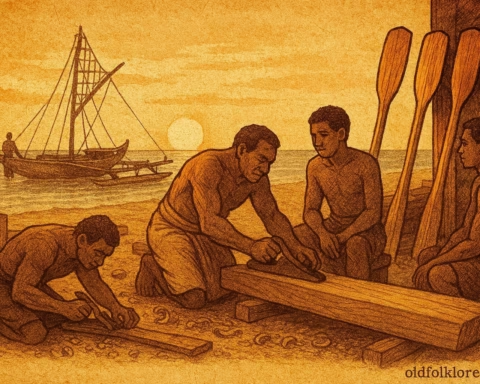
In many Pacific Island societies, especially among Fijian communities, the kava (yaqona) circle is not merely a moment of refreshment; it is a living classroom of wisdom. Sitting together in a circle, participants learn the rhythm of respectful dialogue: speak calmly, listen deeply, and honor the dignity of every voice. The kava bowl symbolizes unity; its shared cup reminds participants that harmony requires patience, humility, and reciprocity. Chiefly traditions have long viewed speech as a tool for healing, leadership, and maintaining social balance, with many lessons preserved and shared through proverbs.
Within this serene setting, elders pass down stories and proverbs that emphasize diplomacy, reconciliation, and the collective responsibility of maintaining peace. The yaqona ceremony encourages slow thinking and slow speaking; words are measured like the careful preparation of the drink itself, never rushed, never wasteful, always purposeful. The community is strengthened not only by what is spoken, but by the atmosphere of respect that surrounds every exchange.
This collection draws on that spirit of communal learning, where wisdom flows like the shared kava bowl, passed from hand to hand, strengthening the bonds of understanding and unity. These proverbs celebrate the power of speech used wisely, the importance of listening, and the enduring belief that harmony is built through thoughtful, compassionate dialogue.
90 Proverbs on Community, Dialogue, and Social Balance
1. “The kava bowl teaches that all drink from the same peace.”
Harmony begins when all see themselves as part of a shared circle.
2. “Calm words travel farther than shouts.”
Soft, respectful speech has greater influence.
3. “He who listens first speaks wisely later.”
Wisdom grows from attentive silence.
4. “The circle is round so no one stands above another.”
Equality strengthens community bonds.
5. “A rushed cup spills easily.”
Hasty decisions lead to disorder.
6. “Even the quietest voice earns respect in the kava ring.”
Every person deserves to be heard.
7. “Harmony begins when pride ends.”
Humility creates social balance.
8. “Words mixed with anger sour the bowl.”
Emotional temper damages communication.
9. “The elder’s silence is a deeper lesson than many speeches.”
Stillness carries wisdom.
10. “Unity is brewed slowly.”
Strong relationships develop over time.
11. “Where the kava bowl rests, quarrels should not.”
Sacred spaces call for peace and restraint.
12. “He who pours for others learns generosity.”
Service teaches good character.
13. “A broken circle brings storms.”
Division weakens community harmony.
14. “Words are like tides, they return with force if misused.”
Speech has lasting consequences.
15. “A gentle speaker is never unwelcome.”
Thoughtful communication invites respect.
16. “The bowl does not judge who drinks, and neither should we.”
Inclusiveness sustains unity.
17. “Patience is the mat upon which peace sits.”
Harmony requires calm endurance.
18. “A respectful greeting is the first step to reconciliation.”
Peace begins with simple courtesies.
19. “A story shared binds hearts together.”
Narratives strengthen relationships.
20. “A harsh tongue cuts deeper than a spear.”
Cruel speech can do great damage.
21. “He who lifts the bowl lifts the responsibility of peace.”
Leadership demands calm wisdom.
22. “The kava root teaches us: strength grows underground.”
Quiet foundations matter most.
23. “A shared drink softens past anger.”
Communal rituals heal conflict.
24. “Speech without respect is noise without meaning.”
Words only matter when spoken with honor.
25. “Gather first, speak second, judge last.”
Take time before reaching decisions.
26. “Wise speech tastes like smooth kava—steady and soothing.”
Gentle words comfort listeners.
27. “A stubborn person drinks alone.”
Inflexibility isolates people.
28. “The circle teaches: no path to peace is walked alone.”
Cooperation is essential.
29. “When one voice rises too high, the others fall silent.”
Domination destroys dialogue.
30. “The storyteller’s truth outlives the fire.”
Wisdom shared endures across generations.
31. “A calm heart brews kind words.”
Inner peace produces compassionate speech.
32. “A village that talks together stays together.”
Communication maintains unity.
33. “Disrespect is a stone thrown into a peaceful pool.”
One small offense disrupts harmony.
34. “Kava reveals the listener more than the drinker.”
Patience shows character.
35. “He who interrupts drinks bitterness.”
Rudeness harms both the offender and the group.
36. “Diplomacy is the paddle that steers the canoe of peace.”
Skillful communication guides relationships.
37. “The circle widens for those who bring calm.”
Peacemakers are always welcome.
38. “A truth spoken gently is easier to swallow.”
Honesty should be delivered kindly.
39. “Those who drink together learn together.”
Shared experiences build understanding.
40. “Silence is the elder sibling of wisdom.”
Quiet reflection precedes insight.
41. “A dispute settled in calm lasts longer than one settled in anger.”
Peace built thoughtfully is enduring.
42. “A village is strong when its voices are balanced.”
Diversity works best through cooperation.
43. “The kava bowl reveals who holds grudges.”
Community rituals expose emotional tendencies.
44. “Even the chief must lower his voice in the circle.”
Leadership requires humility.
45. “Words offered in kindness return with blessings.”
Good speech inspires goodwill.
46. “A conversation is a canoe, both sides must paddle.”
Mutual effort sustains dialogue.
47. “A loud man often fears silence.”
Boisterousness can hide insecurity.
48. “Respect is the root of every peaceful gathering.”
Reverence maintains order.
49. “Solesolevaki binds hearts like braided rope.”
Working together strengthens relationships.
50. “He who mocks the ceremony mocks the community.”
Disrespect harms collective identity.
51. “A wise host listens more than he serves.”
Hospitality begins with attentiveness.
52. “Kava clears the mind for truth.”
Communal rituals prepare people for meaningful exchange.
53. “Harmony spreads from the mat to the whole village.”
Peace in small spaces affects larger ones.
54. “Even the shy speaker has a lesson to give.”
Everyone holds wisdom within them.
55. “A harsh word stains the mat.”
Reckless speech leaves lasting marks.
56. “The circle teaches children how to become elders.”
Communal traditions shape future leaders.
57. “Those who gather in anger spill their bowls.”
Rage disrupts order and clarity.
58. “He who learns from others gains twice.”
Listening doubles understanding.
59. “A soft-spoken truth outshines a loud lie.”
Integrity triumphs over noise.
60. “A village grows through shared breath and shared speech.”
Dialogue forms community life.
61. “Calm speech cools a heated heart.”
Gentle words de-escalate conflict.
62. “The bowl is deepest when the minds around it are open.”
Openness enriches conversation.
63. “A quarrel forgotten is a door reopened.”
Letting go renews relationships.
64. “Speak as if sitting before your ancestors.”
Honor guides communication.
65. “A good listener gathers more than a good talker.”
Listening enriches understanding.
66. “The circle rejects pride like the sea rejects oil.”
Arrogance cannot mix with harmony.
67. “A peaceful voice can quiet a storm.”
Calm speech holds transformative power.
68. “A man who speaks kindly builds his house in many hearts.”
Compassion creates lasting bonds.
69. “Every shared cup teaches cooperation.”
Togetherness is reinforced through ritual.
70. “To speak wisely is to honor the bowl.”
Respectful speech honors tradition.
71. “Solesolevaki turns strangers into kin.”
Working and talking together creates unity.
72. “A bitter heart spoils sweet words.”
Speech reveals inner disposition.
73. “A leader’s strength is shown in his gentleness.”
True leadership is calm and compassionate.
74. “The patient listener heals the wounded speaker.”
Empathy restores relationships.
75. “Those who laugh together soften old resentments.”
Shared joy eases tensions.
76. “A humble voice carries farther than a proud one.”
Modesty earns influence.
77. “Harmony grows where judgments fade.”
Non-judgment encourages peace.
78. “Speak slowly; words are stronger than they appear.”
Speech has power and must be used with care.
79. “A shared story is a shared road.”
Narratives unite people.
80. “When hearts quiet, solutions speak.”
Peaceful minds find answers.
81. “The calmest man often leads the loudest group.”
Steadiness inspires others.
82. “A circle broken once takes many gatherings to mend.”
Betrayal or conflict requires patience to heal.
83. “He who insults another insults the ancestors who formed him.”
Disrespect dishonors heritage.
84. “The kava bowl holds more wisdom than quarrels.”
Tradition elevates cooperation over conflict.
85. “The one who reconciles is richer than the one who argues.”
Peacemaking brings deeper rewards.
86. “A village thrives when its voices choose harmony over victory.”
Cooperation matters more than winning.
87. “Gratitude sweetens every gathering.”
Thankfulness strengthens relationships.
88. “A reckless speaker empties the circle.”
Careless words drive people away.
89. “Wisdom grows best in a quiet heart.”
Stillness nurtures insight.
90. “The circle ends, but its lessons continue home.”
Communal wisdom extends into daily life.
Author’s Note
These proverbs reflect the spirit of the kava circle: calmness, respect, listening, and thoughtful dialogue. In a world filled with noise, these teachings remind us that peace is created deliberately, with patience, humility, and shared understanding. The circle is not merely a place to drink, but a space to learn: to speak gently, to listen deeply, and to honor the dignity of community life. May these teachings encourage peaceful conversations in every home and every gathering.
Knowledge Check
- What does the kava circle symbolize in Fijian and Pacific traditions?
Unity, equality, and respectful dialogue. - Why is calm speech valued in these proverbs?
Because peaceful words promote understanding and prevent conflict. - What role does listening play in the kava tradition?
Listening shows respect and enables wiser, more thoughtful speech. - How does the kava bowl metaphor represent communal harmony?
It shows that everyone shares responsibility for peace and unity. - What is solesolevaki?
A tradition of cooperative work, symbolizing mutual support and harmony. - What is a core lesson these proverbs teach about leadership?
True leadership is calm, humble, and rooted in respect.