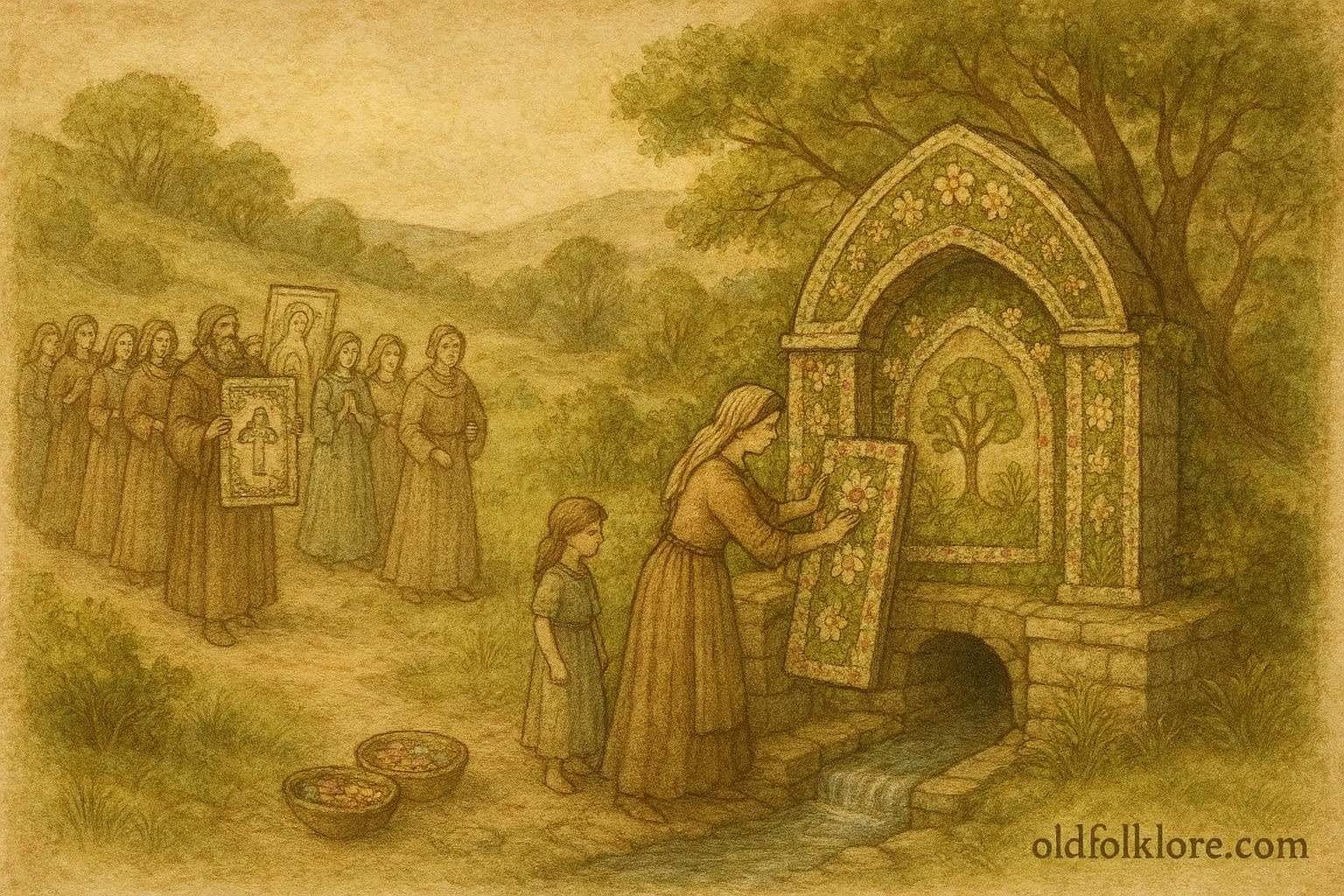
Well dressing, one of England’s most enduring ceremonial traditions, is rooted in the ancient reverence for water that shaped early Celtic and Roman religious life. Today the practice is most strongly preserved in Derbyshire and Staffordshire, where entire villages gather each summer to adorn natural springs with elaborate clay panels pressed with vibrant flowers, seeds, petals, and leaves. The ritual may appear purely artistic at first glance, but its history runs deep: wells were once believed to possess guardian spirits, and communities offered gifts to ensure protection, good harvests, and clean water.
The crafting process is communal and meticulous. Villagers prepare wooden frames, line them with clay, and sketch designs, often biblical scenes, regional symbols, or motifs representing nature’s gifts. Then comes the delicate layering of petals and organic materials, placed one by one to create a vivid, tapestry-like image. Before the decoration is displayed, the well receives a blessing, typically performed by a local clergy member. A procession follows, with music, celebration, and a gathering that reinforces communal bonds.
The tradition is not static. Over centuries, it has shifted from pagan water offerings to Christianized rituals and eventually into a cherished cultural art. Yet the heart of the practice remains unchanged: gratitude for water, recognition of nature’s generosity, and acknowledgment of the unseen forces once believed to guard the land’s lifeblood.
Mythic Connection
To understand well dressing fully, one must return to Britain’s earliest sacred landscapes, where springs and rivers were not simply natural resources, they were divine thresholds. Celtic tribes honored deities like Sulis, Coventina, and other local water spirits associated with healing, prophecy, and fertility. Offerings such as coins, wooden figurines, and carved stones were placed beside wells to secure blessings or protection.
As Roman occupation blended local beliefs with classical religion, these sites maintained their sacred function. Springs in Bath, Carrawburgh, and Buxton remained devotional spaces for centuries. Over time, Christianity reinterpreted the wells through the lens of saints’ miracles and holy water, transforming older pagan customs into church-sanctioned ceremonies.
Well dressing represents this layered history. Every decorated panel, every blessing spoken, and every procession echoes the ancient understanding that water is both practical and mystical, a bridge between the human and divine. The artistic symbols may have changed, but the spiritual logic remains: the community honors the element that sustains life and recognizes the sacred presence within the natural world.
Author’s Note
This entry explores the historical and mythological foundations of well dressing, tracing its evolution from ancient water veneration to a modern ceremonial art form. It highlights how the ritual reflects England’s longstanding reverence for springs, the merging of pagan and Christian traditions, and the enduring cultural gratitude for life-giving water.
Knowledge Check
1. What ancient belief system originally influenced well dressing?
Answer: Celtic and Roman water-veneration traditions.
2. Why were wells historically decorated or offered gifts?
Answer: To honor guardian spirits believed to protect water sources and ensure community well-being.
3. What materials are used to create the well dressing panels?
Answer: Clay-lined boards decorated with petals, leaves, seeds, and natural materials.
4. How did Christianity transform the ritual?
Answer: Pagan water offerings were adapted into saint-blessing ceremonies and church processions.
5. What does well dressing symbolize today?
Answer: Gratitude for water, community unity, and preservation of cultural heritage.
6. Where is well dressing most strongly practiced?
Answer: Derbyshire and Staffordshire in the Peak District region of England.