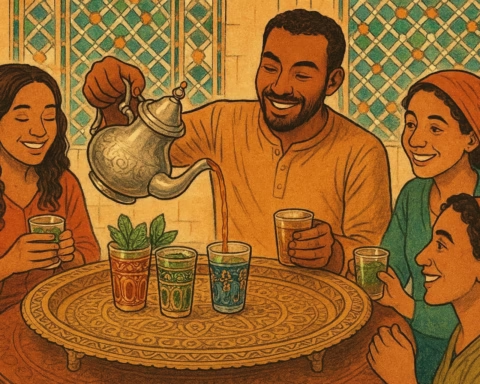
In Italy, wisdom often begins at the family table. The sharing of bread, wine, and stories is not merely sustenance, it is a social contract, a sacred ritual, and a medium for passing values across generations. Italian culture places profound importance on conviviality, the art of living together, where hospitality is both expected and celebrated. Proverbs about family, community, and shared meals reflect centuries of experience in balancing generosity with discernment, loyalty with justice, and celebration with responsibility.
Hospitality in Italy is intertwined with morality. To offer bread to a guest is to honor their dignity; to refuse is to disrupt the rhythm of human connection. These sayings teach that generosity is never only material, it extends to attention, time, and respect. The family unit, often sprawling and multigenerational, functions as a microcosm of society: loyalty, compromise, and care within the household are rehearsals for civic life and communal harmony.
Moreover, Italian proverbs recognize that sharing food is inseparable from sharing life. The act of breaking bread symbolizes trust, connection, and mutual reliance. Through these sayings, one learns that the strength of a community is measured not only by its wealth or power, but by the warmth of its tables, the integrity of its members, and the willingness to include others in both joy and sustenance.
40 Italian Proverbs on Family, Hospitality & Community
- “Pane e companatico uniscono il cuore.” – Bread and a meal unite the heart. (Sharing food strengthens bonds.)
- “Casa senza famiglia è come forno senza pane.” – A home without family is like an oven without bread. (Family gives purpose to a home.)
- “Chi rompe il pane, rompe l’egoismo.” – Whoever breaks bread breaks selfishness. (Generosity overcomes self-interest.)
- “Dove c’è vino, c’è amicizia.” – Where there is wine, there is friendship. (Sharing strengthens camaraderie.)
- “Il pranzo è sacro, il dessert è divino.” – Lunch is sacred, dessert divine. (Meals are rituals of joy.)
- “Ospite bagnato, ospite fortunato.” – A wet guest is a lucky guest. (Hospitality is valued, even in hardship.)
- “La famiglia è il primo regno.” – The family is the first kingdom. (Home is the first place of loyalty and authority.)
- “Chi mangia insieme, resta insieme.” – Those who eat together, stay together. (Shared meals reinforce relationships.)
- “Il pane spezzato unisce più delle parole.” – Broken bread unites more than words. (Action of sharing outweighs speech.)
- “Il buon vino si fa nella compagnia.” – Good wine is made in good company. (The company matters as much as the drink.)
- “Chi semina ospitalità, raccoglie amicizia.” – Those who sow hospitality reap friendship. (Kindness begets connection.)
- “A tavola non si invecchia.” – At the table, one does not age. (Meals nourish both body and spirit.)
- “Non dire pane al pane e amore al marito.” – Do not call bread bread and love a husband. (Respect daily routines and emotional bonds.)
- “Il piatto abbondante genera sorrisi.” – A generous plate generates smiles. (Generosity brings happiness.)
- “Chi offre ospitalità, offre pace.” – He who offers hospitality offers peace. (Welcome reduces conflict.)
- “Casa che accoglie, cuore che cresce.” – A welcoming home has a growing heart. (Hospitality expands generosity.)
- “In famiglia ogni boccone è condiviso.” – In the family, every bite is shared. (Sharing nurtures unity.)
- “L’amicizia si gusta più dolce con pane fresco.” – Friendship tastes sweeter with fresh bread. (Simple gestures enhance relationships.)
- “Chi sa offrire pane, sa offrire rispetto.” – He who can offer bread knows how to offer respect. (Hospitality is intertwined with esteem.)
- “Il vino non si versa da solo.” – Wine does not pour itself. (Community requires effort from everyone.)
- “Dove il cibo è abbondante, l’allegria regna.” – Where food is abundant, joy reigns. (Abundance fosters happiness.)
- “La tavola imbandita è il rifugio del cuore.” – A set table is the refuge of the heart. (Meals provide comfort.)
- “Chi mangia solo, piange solo.” – He who eats alone cries alone. (Isolation diminishes joy.)
- “Il pane spezzato per gli altri non diminuisce il tuo.” – Bread broken for others does not decrease yours. (Generosity does not reduce one’s wealth.)
- “Dove si ride insieme, la fame scompare.” – Where people laugh together, hunger disappears. (Joy complements sustenance.)
- “La famiglia che prega insieme, rimane insieme.” – The family that prays together stays together. (Spiritual unity strengthens bonds.)
- “Chi apre la porta all’amico, apre la porta alla fortuna.” – He who opens the door to a friend opens the door to fortune. (Hospitality attracts blessings.)
- “Il vino e la parola gentile sciolgono ogni tensione.” – Wine and kind words dissolve all tension. (Generosity of spirit eases conflicts.)
- “Pane e sale sono piccoli, ma legano grandi cuori.” – Bread and salt are small, but bind great hearts. (Simple acts carry deep significance.)
- “Ospitalità non è dare di più, ma dare con cuore.” – Hospitality is not giving more, but giving with heart. (Intent matters more than quantity.)
- “Chi condivide il pane, condivide la vita.” – He who shares bread shares life. (Meals symbolize shared existence.)
- “La famiglia è come un pane fragrante: unita profuma di più.” – Family is like fresh bread: together it smells sweeter. (Unity enhances value.)
- “Ogni tavola è scuola di civiltà.” – Every table is a school of civility. (Manners are taught through communal meals.)
- “Chi dona vino non beve mai da solo.” – He who gives wine never drinks alone. (Generosity invites companionship.)
- “Casa piena di amici, cuore pieno di gioia.” – A home full of friends has a heart full of joy. (Community enhances happiness.)
- “Chi mangia con i poveri, impara la ricchezza del cuore.” – He who eats with the poor learns the wealth of the heart. (Sharing transcends material wealth.)
- “La tavola imbandita non fa distinzione di rango.” – A set table makes no distinction of rank. (Hospitality honors all equally.)
- “Chi rompe il pane, rompe i rancori.” – He who breaks bread breaks grudges. (Sharing heals conflicts.)
- “Pane fresco, cuore aperto.” – Fresh bread, open heart. (Food and hospitality are symbols of generosity.)
- “Amico vero si conosce quando si spezza il pane.” – A true friend is known when bread is broken. (Sharing reveals loyalty.)
Author’s Note
Italian wisdom reveals that food is never merely sustenance, it is an instrument of connection, a symbol of loyalty, and a pathway to communal harmony. Sharing bread teaches patience, humility, and attentiveness to others. The strongest bonds are nurtured not only through ritual or tradition, but through simple acts of generosity and hospitality. May these proverbs inspire us to open our tables, hearts, and lives to others.
Knowledge Check
- Q: What does breaking bread symbolize in Italian proverbs?
A: Sharing, trust, and social unity. - Q: Why is hospitality so emphasized in Italian culture?
A: Because it maintains social harmony and expresses moral respect. - Q: What does “Chi mangia con i poveri, impara la ricchezza del cuore” teach?
A: True wealth is generosity and empathy, not material wealth. - Q: How does communal eating strengthen relationships?
A: By creating shared experiences, joy, and loyalty. - Q: Why is intent more important than quantity in giving?
A: Because heartfelt generosity builds trust and lasting bonds. - Q: What role does laughter play at the table?
A: It complements sustenance and fosters joy and community.