Winter solstice food rituals in East Asia emerge from ancient cosmology, agrarian life, and the spiritual significance of seasonal thresholds. In China, the festival known as Dongzhi dates to the Han Dynasty and marks the rebirth of yang energy after the longest night. In Korea, red-bean porridge (patjuk) appears in early folk ritual texts as a protective food used to chase away midwinter spirits. In Japan, temple records from the Edo period describe eating pumpkin (kabocha) and red-bean dishes during the solstice to sustain health through winter.
Although each culture developed its own distinct expression, all share a common worldview: seasonal change is spiritually active, dangerous, and potentially transformative. Food becomes both protection and offering, binding households to ancestors, spirits, and the rhythm of nature.
Ritual Description
China: Dongzhi Red-Bean Porridge & Tangyuan
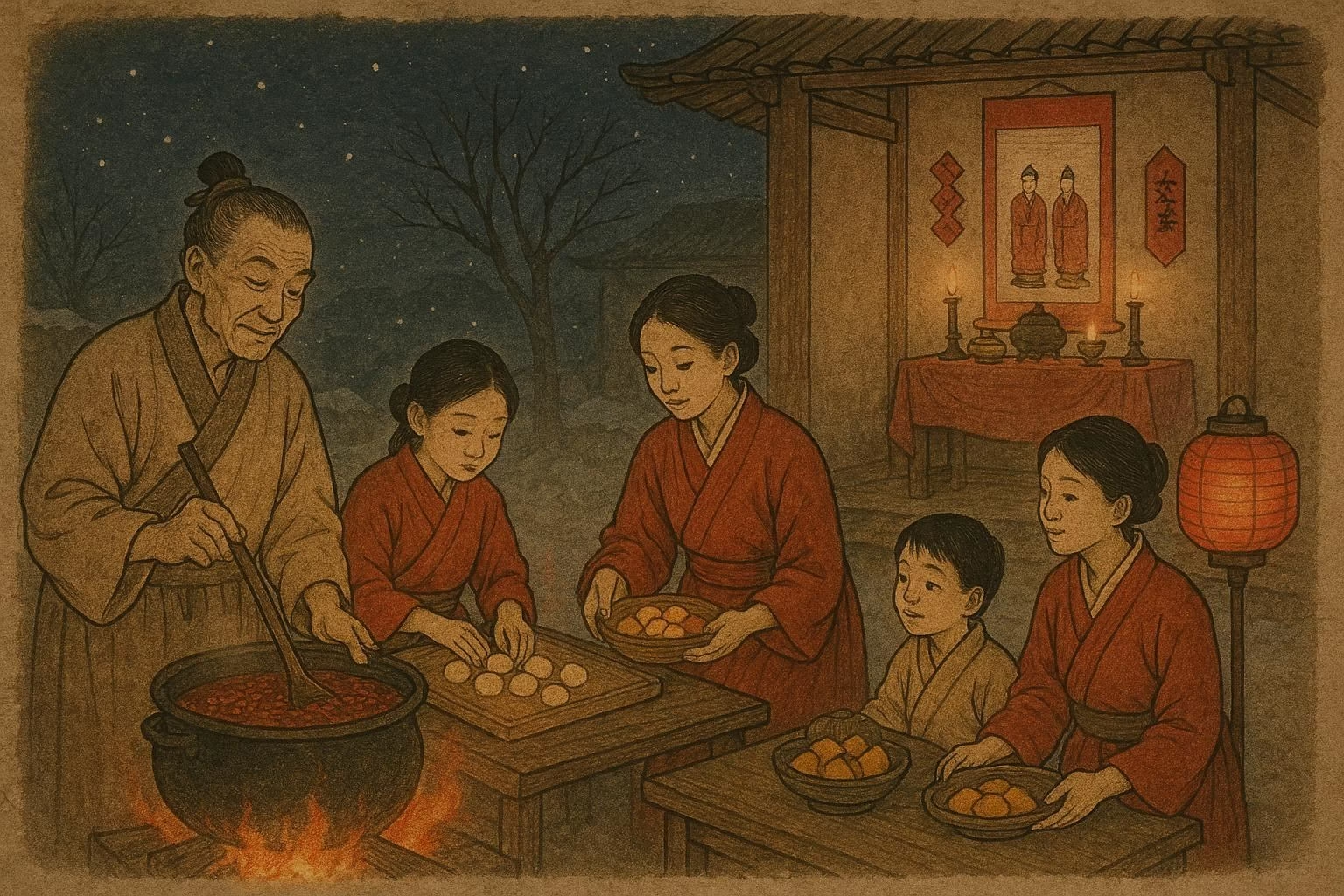
During Dongzhi, families prepare red-bean porridge or tangyuan (glutinous rice balls). Red beans are linked to protective symbolism: their colour drives away malevolent forces associated with the deep cold, while their warmth helps restore internal balance. In southern China, tangyuan are shaped into smooth spheres representing harmony, reunion, and the cyclical return of light. Eating them within the family home symbolises collective renewal.
The ritual meal is usually placed on the ancestral altar before being shared. This gesture acknowledges the ancestors’ continuing presence and invites their blessing for the new agricultural cycle. Many families accompany the meal with quiet prayers, the lighting of incense, or offerings of tea.
Korea: Patjuk, the Spirit-Repelling Porridge
In Korea, the ritual of eating patjuk is one of the most enduring winter-solstice practices. Traditionally, households boiled red beans until they burst, then strained the mixture to create a deep crimson porridge. The red colour was believed to repel gwisin, wandering spirits active during the solstice transition. Even before eating, a small portion of patjuk was placed at the front gate or courtyard to signal spiritual boundary-making.
Some villages shaped small rice-flour dumplings, symbolising family members, and added them to the porridge for good fortune. Communal sharing reinforced social unity during the harshest part of the year. Patjuk was also offered to ancestors in gratitude for protection, linking the living family with its lineage.
Japan: Winter Pumpkin and Azuki Dishes
In Japan, winter-solstice rituals vary by region but share a symbolic core: consuming foods that ensure survival and health during the coldest season. Kabocha (pumpkin) is the most iconic dish, valued historically for its long shelf life. Eating it on the solstice was believed to strengthen the body, ward off illness, and prepare households for the lean winter months.
Many temples and villages also prepare azuki-bean dishes, such as zenzai or oshiruko, whose red hue mirrors the protective symbolism found in China and Korea. Households may also take ritual baths scented with yuzu, citrus believed to refresh body and spirit. Food and bathing together act as cleansing transitions into the new solar cycle.
Mythic Connection
Although each ritual varies in form, all share deep mythic logic shaped by East Asian cosmology:
1. Seasonal Liminality and Cosmic Balance
The winter solstice marks the rebirth of the sun, when darkness begins to recede. In Chinese philosophy, this reflects the return of yang, the active cosmic force. Food rituals reinforce this turning point by generating warmth, colour, and symbolic renewal.
2. Red as a Spiritual Shield
Across China, Korea, and Japan, red is a protective colour. The use of red beans, rich, warm, and auspicious, emerges from the belief that midwinter is spiritually dangerous. The solstice is a point where spirit realms overlap, and red foods act as a barrier to misfortune.
3. Communal Eating as Ancestral Dialogue
Sharing food at the solstice is more than sustenance; it is communication.
China honours ancestors through altar offerings; Korea sets aside patjuk for spirits beyond the home; Japan frames its dishes within a larger system of temple observances. Each meal becomes an act of gratitude and an invitation for protection as households cross into the new agricultural cycle.
4. Cyclical Renewal Through Food
The roundness of tangyuan, the bursting of red beans, and the preservation of pumpkin all echo themes of continuity, rebirth, and the endurance of life in winter’s stillness. Through food, families participate in a yearly reenactment of cosmic renewal.
Author’s Note
This article examines winter-solstice food rituals across China, Korea, and Japan as expressions of seasonal cosmology, spiritual protection, and ancestral communion. By tracing red-bean porridge, tangyuan, and kabocha dishes through their historical and symbolic contexts, it highlights how East Asian communities translate cosmic transitions into culinary rites of renewal and harmony.
Knowledge Check
1. What seasonal belief shapes these rituals?
They reflect the solstice as a moment of cosmic transition and the return of yang energy.
2. Why are red beans symbolically important?
Red beans repel harmful spirits and signify warmth, vitality, and protection.
3. What does tangyuan represent in Chinese Dongzhi?
Its roundness symbolises harmony, reunion, and cyclical renewal.
4. How was patjuk used beyond eating?
A portion was placed at household boundaries to ward off wandering spirits.
5. Why is pumpkin eaten in Japan on the solstice?
Because it strengthens health and provides nutrition through winter scarcity.
6. What shared theme links all three cultures?
They use food to honour ancestors, invite good fortune, and mark seasonal rebirth.