In the deep green sweep of the Western Amazon, where the river bends like a living serpent and the canopy thickens until the sky becomes only a memory, the people say that every drop of water carries a pulse. They believe that beneath the shifting veil of foam lives a spirit whose eyes see all. Some call her Mother of the River. Others whisper her name only during rituals. Most simply say Yara Mama.
Long before written stories existed, the elders taught that Yara Mama came into being when the first rains met the first river. She was shaped from the silver light of the dawn and the gentle surge of water that fed the newborn world. Her task was clear from the beginning. She was to protect the river, nurture those who respected its life, and punish those who entered with arrogance or carelessness.
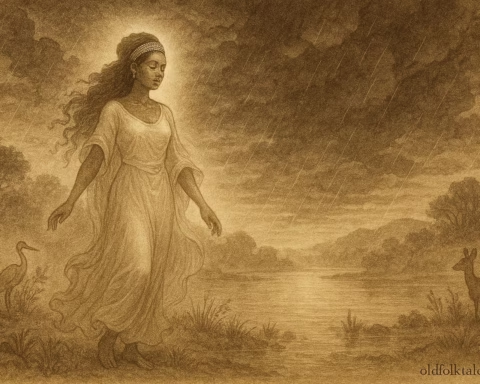
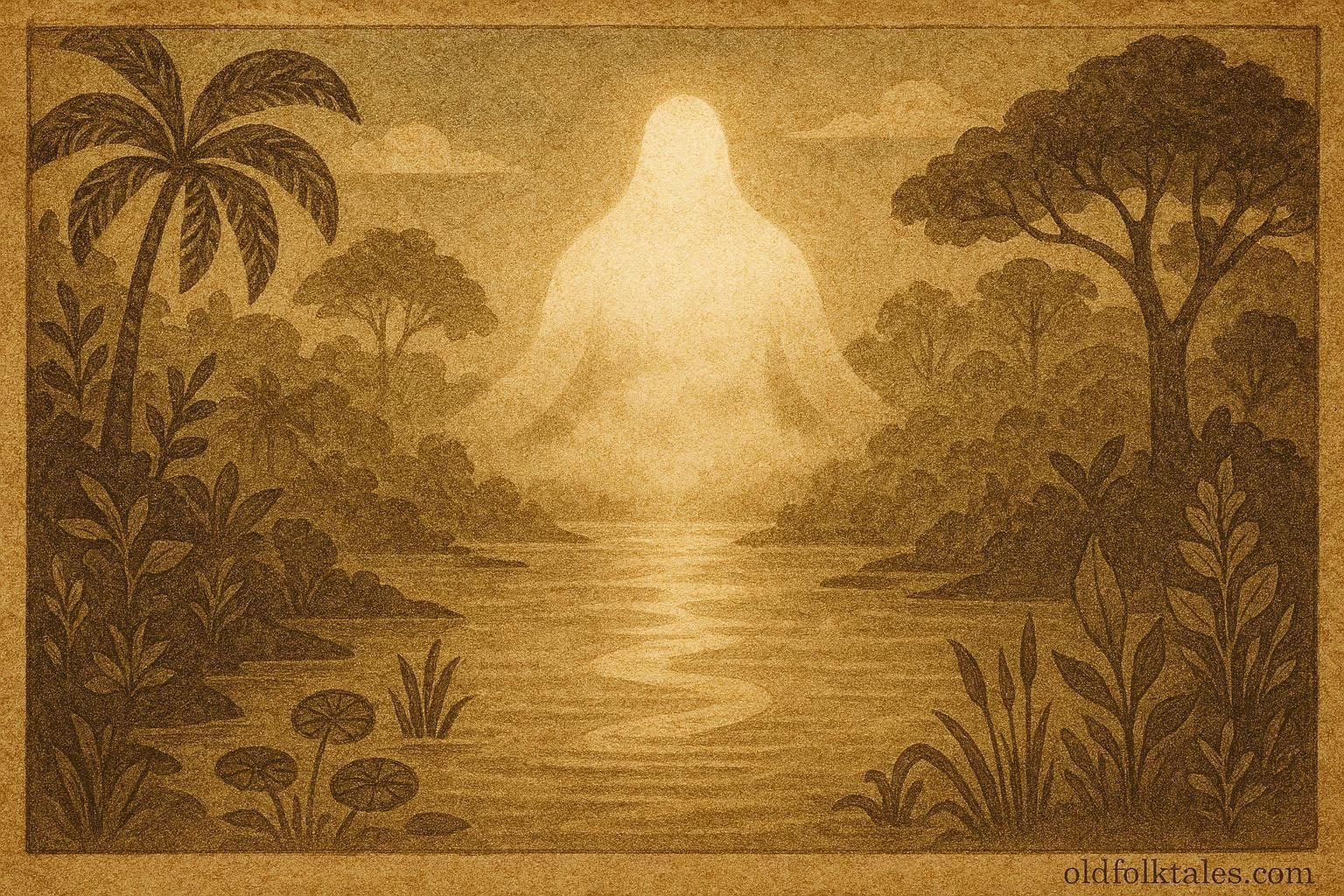
They say that on quiet mornings, when the mist hangs low and the river looks like a sleeping animal, Yara Mama rises from its surface. Her form is that of a radiant woman whose hair trails like long currents behind her. Her skin glows like moonlit water. Her presence is both comforting and mysterious. She sings to the fish and guides them toward the nets of humble fishermen who honor the river with offerings of seeds, leaves, or whispered prayers.
Discover the gods, goddesses, and divine spirits who ruled the heavens and shaped human fate
One of the most beloved tales of Yara Mama begins with a young fisherman named Irupe. He was known for his patience and skill, but even more for the respect he showed the world around him. Each morning, before casting his net, he tapped the side of his canoe with two fingers to greet the spirits. He never took more fish than his family needed. He never shouted across the water or threw waste into it. The river listened to him, and in return, it fed him.
But not everyone shared his gratitude. Irupe’s cousin, Maita, believed that skill alone earned success. He scoffed at prayers and laughed at warnings the elders gave. To him, the river was simply a provider that waited for him to claim what he wanted.
One evening, as the sun dropped behind the canopy and the river turned a deep bronze color, Irupe and Maita paddled toward a quiet cove. Irupe performed his usual greeting, tapping the canoe and murmuring a prayer. Maita rolled his eyes.
You waste your breath. The river does not listen, he said.
Irupe frowned. You must show respect. These waters are alive. Yara Mama watches.
Maita shook his head. Spirits do not feed families. Fish do. And I will catch more than you tonight.
He raised his net high and slammed it into the water with a great splash. Instantly the river darkened. The birds fell silent. The current began to churn as if something enormous stirred below.
Irupe froze. Maita, unaware of the sudden tension in the air, laughed and cast again. But this time the river answered.
From the center of the cove rose a column of swirling foam. The shape grew taller, brighter, more defined until the figure of a woman emerged. Her eyes shone like twin white flames. Her hair rippled outward like strands of liquid silver. She hovered above the water, radiating both beauty and danger.
Irupe bowed his head. Yara Mama. Forgive us. I honor your water.
But Maita staggered back, his face pale. His net slipped from his hands.
The spirit spoke, and her voice echoed like many waves speaking at once. Those who respect the river are blessed. Those who wound it are blinded to its gifts.
She looked at Maita, and her blazing eyes dimmed to a soft glow. Yet even that gentle glow was too powerful for him. Maita cried out and covered his face. When he opened his eyes again, he could still see, but the world was dim and blurred, as if a veil of mist covered everything.
Yara Mama touched the surface of the river with her fingertips. Instantly the current calmed, the light softened, and the foam sank back into stillness.
She approached Irupe. You have honored the river. You will continue to be guided. But you must teach others to understand its spirit.
Irupe bowed deeply. I will teach them, Mother of the River.
Yara Mama smiled, a gesture like the glimmer of moonlight across calm water. Then she dissolved into the river, disappearing beneath the waves without a ripple.
Maita stumbled back toward the canoe, shaken. The dimness in his eyes remained for many days. He could still fish, but never again with the confidence or arrogance he once carried. He learned to tap the canoe, whisper thanks, and offer leaves to the water. Slowly the haze in his vision lifted, leaving him with a deeper understanding of the river and its protector.
From that day on, the story of Yara Mama became one of the most treasured teachings of the region. Elders repeated it to every child, every traveler, every newcomer who approached the water with careless feet. The river is alive, they said. Honor it. It nurtures, but it also defends.
And when the mist hangs low over the river at dawn, some claim they still see her. A shimmer above the water. A gleam like the eye of a watchful mother. A reminder that respect is not only a virtue but a bridge between humans and the living world that sustains them.
Author’s Note
Yara Mama teaches that water is both a giver of life and a guardian of sacred order. When humans forget gratitude or behave with entitlement, nature responds. This legend reminds us that every living system requires respect, reciprocity, and mindful stewardship.
Knowledge Check
1. Who is Yara Mama in Western Amazonian tradition?
She is a river mother spirit who blesses respectful fishermen and punishes the disrespectful.
2.How does Yara Mama usually appear?
As a radiant woman rising from swirling river foam.
3.Why does Maita lose clarity of sight?
Because he disrespected the river and Yara Mama punished his arrogance.
4.What does Irupe always do before fishing?
He greets the spirits with a prayer and a respectful gesture.
5.What lesson does the story emphasize?
Respect for water, gratitude, and the understanding that nature is alive.
6.When do people claim Yara Mama can still be seen?
At dawn when mist hangs low over the river.