In the lush forests of the Fang people in Cameroon, sunlight filtered through the thick canopy of trees, painting the forest floor with patterns of light and shadow. Streams wound gently through the undergrowth, reflecting the sky above, while the air buzzed with the calls of birds, the chatter of monkeys, and the rustle of leaves stirred by small creatures. Among these animals, cleverness and understanding of words were just as important as strength and speed.
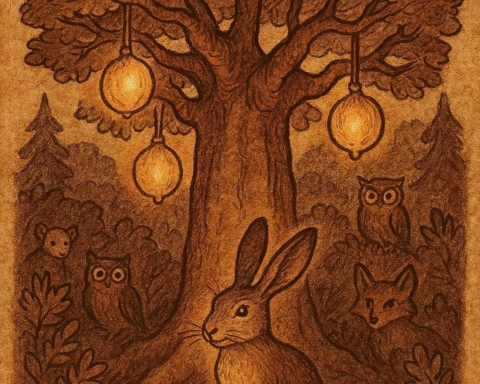
One day, a debate arose in the forest over the meaning of the word “abundance.” Some animals claimed that abundance meant having more than enough food, while others argued that it could refer to wealth, comfort, or even influence. The disagreement grew heated, with the Elephant asserting that size and strength defined abundance, and the smaller birds and monkeys insisting that intelligence and cleverness counted as well. The forest, usually peaceful, was suddenly filled with discord as each species tried to assert its interpretation.
Explore more stories from our Cameroonian Folktales Collections archive.
Observing the debate, the tortoise, wise and patient, decided to intervene. He understood that many animals argued without fully considering the perspectives of others. Standing calmly near the riverbank, he spoke with measured authority. “Friends of the forest, it is clear that we all value abundance, yet we may not understand it in the same way. Let us use both observation and cleverness to see its true meaning. In this way, harmony may be restored, and we may all learn together.” The animals quieted and listened, trusting the tortoise’s experience and insight.
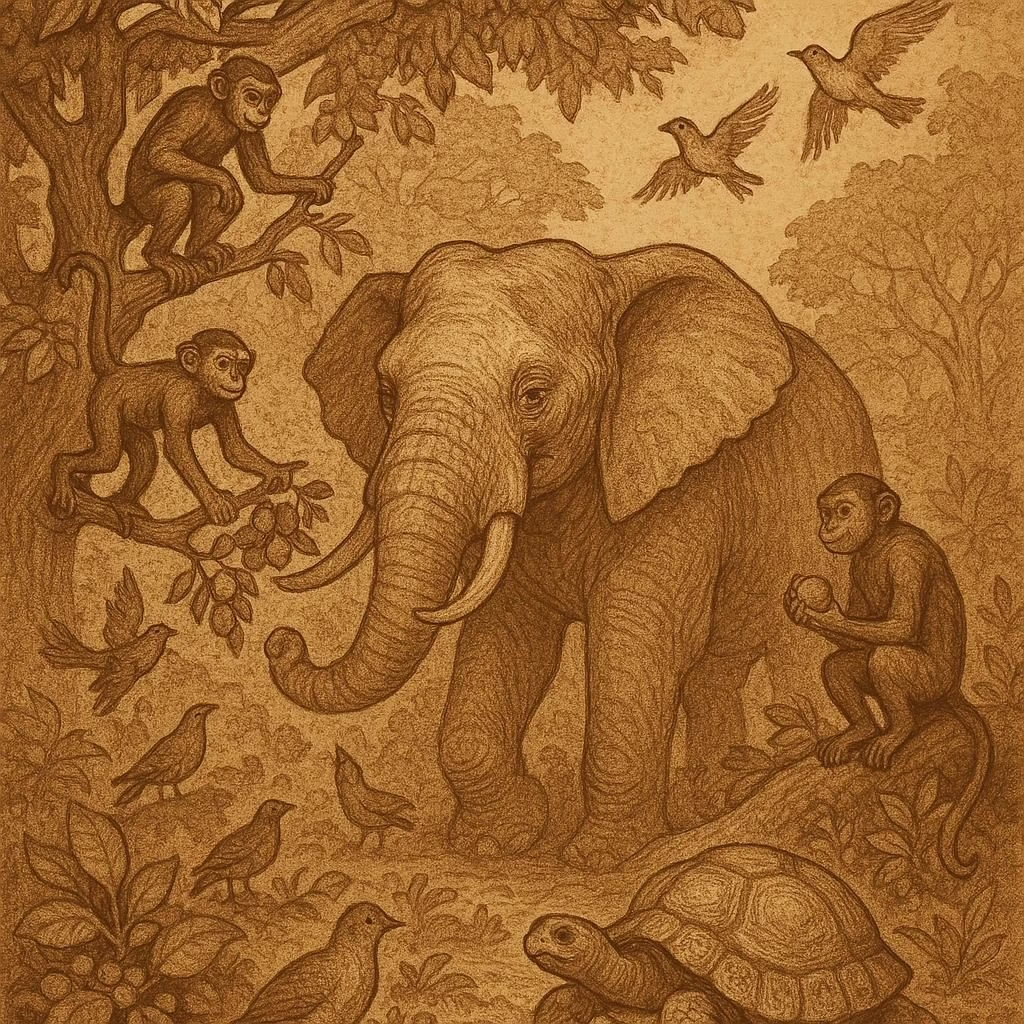
The tortoise suggested an experiment. Each animal would demonstrate what abundance meant to them through actions rather than words alone. The Elephant gathered the largest collection of fruits and nuts he could find, demonstrating that abundance meant having plenty. The smaller monkeys collected seeds and berries, showing how careful planning and cleverness could create abundance even on a smaller scale. Birds flew across the treetops, demonstrating the freedom to travel and gather food as a form of abundance.
As the demonstration continued, the animals noticed a subtle truth. While the Elephant’s collection was impressive, it could be consumed quickly and depended on strength to gather. The smaller animals, through intelligence and collaboration, maintained a steady supply of food. The birds’ freedom allowed them to access distant resources that larger creatures could not reach. Through these examples, the animals realized that abundance was not simply having a large quantity but having enough, sharing wisely, and using resources cleverly.
The tortoise then asked the animals to consider generosity as part of abundance. He encouraged them to share their collections and resources with one another. Slowly, the Elephant offered fruits to the smaller animals, and the monkeys shared seeds with the birds. The forest became harmonious again, with each animal understanding that abundance was a combination of resources, clever use, and willingness to help others. Even the Leopard, known for his pride, acknowledged that abundance included wisdom and fairness, not only power and possession.
By the end of the day, the forest animals reached a common understanding. Abundance was not just a matter of quantity but of careful use, sharing, and cleverness in making the most of what one had. The debate had been resolved through observation, action, and insight rather than argument alone. The tortoise smiled, knowing that the forest had learned a valuable lesson about cooperation, intelligence, and the broader meaning of words.
Explore our complete Historic Folklore & Fairy-Tale Collections archive.
Moral Lesson
Abundance: A Play on the Meaning of a Word teaches that true abundance is not merely having a lot but making the most of what one has, sharing wisely, and using intelligence and collaboration to sustain prosperity. The story emphasizes that wisdom, cleverness, and generosity are as important as strength and possessions in achieving harmony and true fulfillment.
Knowledge Check
1. What caused the debate among the forest animals?
The animals disagreed about the meaning of the word “abundance.” Some believed it meant having plenty of food, while others thought it could include wealth, intelligence, comfort, and influence.
2. Who guided the animals toward a better understanding of abundance?
Tortoise intervened and encouraged the animals to demonstrate their different ideas rather than continue arguing.
3. How did Elephant demonstrate abundance?
Elephant gathered a large collection of fruits and nuts to show that abundance could mean having plenty of resources.
4. How did the smaller animals demonstrate their understanding of abundance?
The monkeys collected seeds and berries through planning and cooperation, while the birds demonstrated how their ability to travel helped them reach distant sources of food.
Cultural Origin: Source: Fang folktale, Cameroon. Recorded by Robert H. Nassau in Where Animals Talk: West African Folklore Tales (1914).
Explore More Cameroonian Folktales
- The Sacred Forests of the Bakossi
- The Water Ceremony
- The Keeper of the Royal Drum of Bafut
- The Great Canoes of the Wouri
- The Festival of the Elephant Masks
- The Iron Masters of the Mandara Hills
- The Great Market of Maroua
- The Counsel of the Bamum Queen Mother
- The Night Market Where Humans Trade with Spirits